
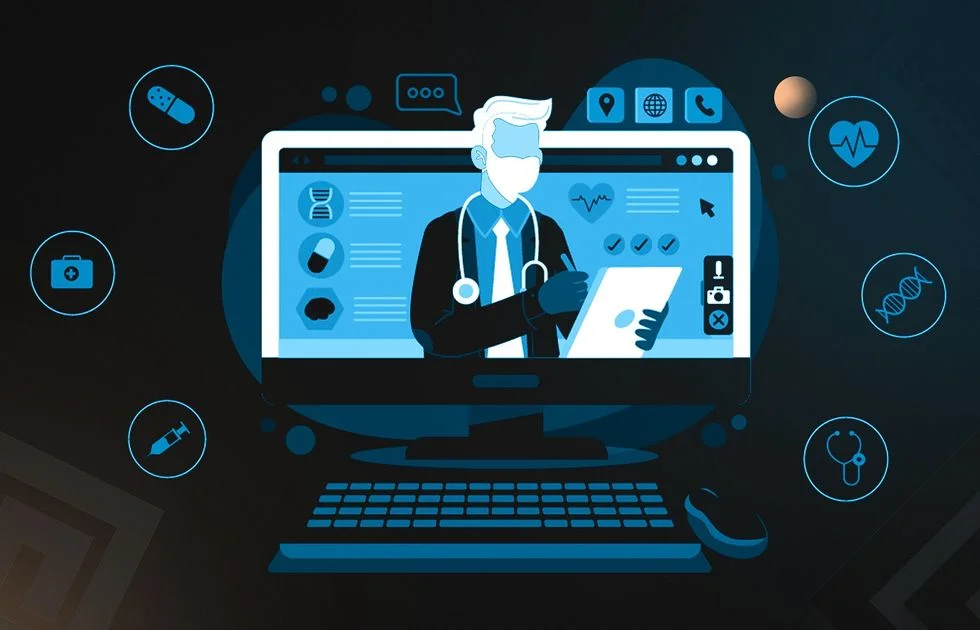

In an era where digital transformation is accelerating, medical technology has become a key tool in improving healthcare quality. Hospital and medical center management no longer rely on paper or traditional solutions, but Egypt has entered a new phase defined by "smart digitization." Relying on medical software systems is no longer just an option, but a necessity driven by daily challenges and the healthcare sector's pursuit of excellence and efficiency.
The medical software system is a collection of digital solutions used to manage and coordinate operations within healthcare facilities such as hospitals, clinics, and medical centers.
This system includes several integrated applications such as Electronic Medical Records (EMR), Hospital Information Systems (HIS), billing systems, appointment management, and integration between various departments such as laboratories, radiology, and pharmacies.
The system aims to improve efficiency and the quality of healthcare by facilitating access to medical data, reducing human errors, and accelerating medical and administrative processes. It also helps provide accurate reports that assist in making sound decisions and achieving excellence in the delivery of healthcare services.
you can read about Best Pharmacy And Inventory Management System from here
In light of the continuous technological development and digital transformation across all sectors, relying on medical software systems in hospitals and clinics has become crucial, as it helps to:
The medical software system allows doctors and nurses to quickly access patients' medical information, such as medical records, test results, radiology images, and prescriptions. This helps make more accurate medical decisions more quickly, contributing to better healthcare quality and reducing medical errors.
By automating many processes, such as writing prescriptions or entering patient data, the system reduces the likelihood of human errors resulting from manual writing or data management. It also provides alerts to the doctor in case of drug interactions or exceeding the recommended doses.
The system helps speed up the registration process, appointment scheduling, billing, and lab test requests, which reduces the time spent on administrative procedures. It also facilitates communication between different departments within the hospital or clinic.
The medical software system helps in the effective management of medical and pharmaceutical inventories. It allows for real-time tracking of drug and medical supply levels, helping to avoid stockouts or shortages of essential medical materials.
By facilitating appointment management, patient follow-up, and providing flexible communication methods with doctors (such as online consultations), the system improves the overall patient experience. It also reduces waiting times, making patients more satisfied with the medical service.
The medical software system can generate accurate reports on medical cases, doctor performance, and drug consumption, which helps improve the management of the hospital or clinic. These reports can be used to analyze data and make better decisions to enhance efficiency and performance.
The medical software system contributes to ensuring compliance with health standards and privacy regulations, such as patient data protection laws (e.g., HIPAA in some countries), helping maintain the security and protection of information.
With the increasing reliance on modern technologies such as artificial intelligence and machine learning in diagnosis and treatment, adopting medical software systems in hospitals and clinics is a step toward digital transformation that improves the healthcare system overall. It also enables the hospital or clinic to adapt to future trends in medicine.
Relying on medical software systems in hospitals and clinics is not merely a choice but a necessity to keep up with developments in the healthcare sector. The system helps enhance efficiency, reduce errors, and improve the management of medical and administrative operations, leading to better healthcare quality and an enhanced patient experience.
Nitco for software systems provides a range of advanced healthcare software systems aimed at improving the management of various healthcare facilities by streamlining daily operations and enhancing efficiency. Below is a detailed explanation of the key healthcare software systems offered by the company:
This system is a comprehensive solution for managing healthcare facilities such as hospitals and medical centers. It provides an integrated environment for managing daily operations by improving efficiency and facilitating access to medical and administrative information.
Key Features:
The Pharmacy and Inventory Management System is an essential tool for monitoring and distributing medicines and medical supplies within healthcare facilities. This system facilitates purchasing, storage, and distribution processes, ensuring that required medications are available at the right times.
Key Features:
This system aims to simplify the billing process and calculate medical costs for patients, in addition to managing insurance coverage and discounts.
Key Features:
The Electronic Archiving System aims to digitize medical and administrative documents within healthcare institutions. This system contributes to organizing and securely storing records in a way that is easily accessible.
Key Features:
This system is designed to manage all financial transactions within healthcare institutions. It includes tracking revenues and expenses, generating accurate financial reports, and handling billing operations.
Key Features:
Nitco offers these systems as part of an integrated solution that helps healthcare institutions enhance their operational efficiency, improve patient experience, and ensure the accuracy of both medical and financial transactions. These systems work together harmoniously to meet the needs of various departments within healthcare facilities, contributing to the overall improvement in the quality of healthcare and simplifying administrative work.
Medical software systems are essential for improving efficiency and enhancing the quality of services provided to patients. These systems not only simplify the management of daily operations but also play a significant role in speeding up medical decision-making, reducing human errors, and achieving integration across different departments of healthcare institutions.
As challenges in the healthcare sector continue to rise, healthcare software systems offer innovative solutions that provide an ideal environment for organizing data and enhancing the patient experience.
If you're looking to enhance the efficiency of your healthcare facility and improve the level of care provided, don't hesitate to contact Nitco, a specialist in healthcare software systems.
With our integrated and innovative solutions, we are here to help you streamline medical and administrative operations, saving both time and effort. Contact us today to discover how our systems can make a real difference in your healthcare institution!