
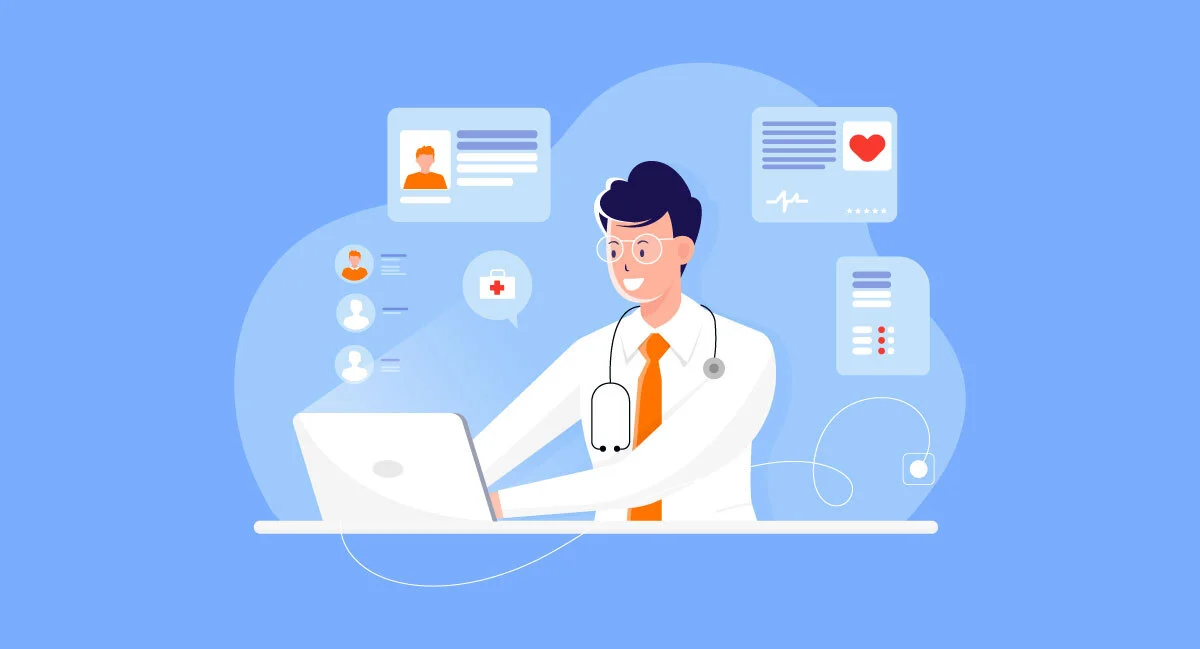

Hospitals today are no longer managed through isolated departments, paper-based records, or disconnected software tools. As healthcare operations become more complex, hospitals need smarter digital systems that can connect clinical, administrative, financial, and operational workflows in one place.
From patient admission to billing, pharmacy, laboratory, HR, reporting, and medical records, every hospital department depends on accurate data and smooth coordination. When these processes are handled manually or through separate systems, hospitals often face delays, duplicated work, billing errors, poor visibility, and lower patient satisfaction.
This is where HIS software for hospitals becomes essential.
A hospital information system helps hospitals manage daily operations through one integrated digital platform. It supports better decision-making, improves patient care, reduces manual errors, and gives hospital management real-time control over performance.
In this article, we will explain what HIS software is, why hospitals need it, its core modules, key benefits, and how to choose the right solution for your healthcare organization.
HIS software for hospitals, also known as a hospital information system, is a digital platform designed to manage the complete workflow of a hospital.
It connects different hospital departments into one centralized system, including the following:
Instead of managing each department separately, HIS software allows hospitals to operate through one unified digital ecosystem.
If you're exploring scalable healthcare platforms, read more about SaaS Medical Software Saudi Arabia
Hospitals deal with large volumes of patients, medical records, financial transactions, insurance claims, and staff operations every day. Without a centralized system, information can easily become fragmented.
A centralized HIS system helps hospitals
This makes HIS software an important foundation for digital transformation in hospitals.
For organizations balancing control and flexibility, explore the benefits of a hybrid healthcare management system.
A strong hospital information system connects clinical, operational, and financial departments together.
For example, when a patient is registered, their data can be accessed by the doctor, billing department, laboratory, pharmacy, and administration based on permissions. This creates a smoother workflow and reduces delays between departments.
By connecting all departments, HIS software for hospitals helps create a more organized and efficient healthcare environment.
Hospitals manage hundreds or even thousands of patient interactions every day. Each interaction may include registration, consultation, diagnostics, medication, billing, insurance approval, and follow-up.
Manual systems cannot handle this complexity efficiently. HIS software gives hospitals the structure needed to manage high patient volumes without losing control over quality or accuracy.
Speed is critical in healthcare. Delayed registration, slow lab results, billing errors, or pharmacy miscommunication can affect both patient experience and hospital performance.
With HIS software, hospitals can automate routine workflows, reduce paperwork, and improve the speed of daily operations.
Hospitals handle highly sensitive patient information. This means data security, access control, and proper documentation are essential.
Modern HIS software for hospitals supports:
This helps hospitals protect patient data and maintain better compliance readiness.
Hospital management needs accurate reports to understand performance, revenue, expenses, department productivity, and patient flow.
HIS software provides dashboards and reports that help decision-makers monitor hospital operations in real time instead of relying on delayed manual reports.
Patients expect faster service, accurate records, shorter waiting times, and smoother communication.
A hospital information system improves patient experience by supporting faster admissions, organized appointments, accurate billing, and better coordination between medical teams.
Patient registration is the first step in the hospital journey. A good HIS system simplifies this process by allowing staff to create digital patient profiles quickly and accurately.
This module usually includes:
By digitizing registration and admission, hospitals reduce waiting times and improve data accuracy from the beginning.
Electronic medical records are one of the most important modules in HIS software for hospitals.
The EMR module allows doctors and medical staff to access complete patient information, including:
This helps doctors make better decisions based on accurate and updated patient data.
Hospitals need efficient scheduling to manage doctors, departments, rooms, and patient flow.
The appointment module helps with:
A smart scheduling system improves hospital efficiency and enhances patient satisfaction.
Billing is one of the most sensitive areas in hospital management. Mistakes in billing or insurance claims can affect revenue and patient trust.
HIS software helps hospitals manage the following:
This gives hospitals better financial control and reduces manual billing errors.
Modern hospitals often integrate billing, claims, and finance through a connected ERP environment. Discover more in our article on Online Clinic ERP System
The pharmacy module connects prescriptions, stock levels, and medication dispensing.
It supports:
This helps hospitals avoid stock shortages, reduce waste, and improve medication availability.
Laboratory and radiology departments are essential to hospital workflows. HIS software allows doctors to request tests digitally and receive results through the same system.
This module may include:
This improves clinical speed and reduces communication gaps between departments.
Hospitals also need to manage large teams, including doctors, nurses, technicians, administrators, and support staff.
An HIS system can include HR features such as the following:
This keeps workforce management organized and connected to hospital operations.
Financial visibility is critical for hospital growth. HIS software provides real-time reports that help management track
Advanced dashboards help hospital leaders make faster and more informed decisions.
One of the biggest advantages of HIS software for hospitals is centralization. Instead of using separate systems for each department, hospitals can manage all operations from one platform.
This reduces confusion, improves communication, and gives management full visibility over hospital performance.
When patient data is accurate and accessible, doctors can make better clinical decisions. EMR integration helps reduce missing information, duplicated tests, and prescription errors.
This directly supports better patient safety and care quality.
Hospital leaders need real-time data to manage operations effectively. HIS software provides instant access to reports, dashboards, and performance indicators.
This allows decision-makers to identify issues early and take action quickly.
Manual paperwork slows down hospital operations and increases the risk of mistakes.
HIS software reduces manual work by automating:
This improves accuracy and saves staff time.
Hospitals need strong financial management to remain sustainable.
HIS software improves financial control by connecting billing, insurance, accounting, pharmacy, and reporting. This helps reduce revenue leakage and improves cash flow visibility.
A digital hospital information system keeps records organized and easier to review. This supports audit readiness and improves documentation accuracy across departments.
As hospitals grow, they need systems that can grow with them. HIS software can support new departments, more users, additional branches, and expanded services.
This makes it suitable for both single hospitals and healthcare groups.
A digital registration and admission process helps patients move through the hospital faster. Staff can access patient data quickly and avoid repeated manual entry.
Appointment scheduling, department coordination, and automated workflows reduce delays and improve patient flow.
When all departments access the same updated patient record, patients do not need to repeat their medical history multiple times.
Doctors, nurses, lab teams, pharmacy staff, and billing departments can work from the same system. This improves coordination and reduces service delays.
Discharge often involves multiple departments, including doctors, pharmacy, billing, and insurance. HIS software helps coordinate these steps for a smoother patient experience.
See how healthcare providers are choosing scalable subscription platforms in SaaS medical software in Saudi Arabia
Healthcare groups operating multiple hospitals or branches need centralized control. HIS software allows management to monitor all locations from one platform.
With proper access controls, patient data can be shared securely across branches. This improves continuity of care and reduces duplicated records.
Management can compare performance across different branches using real-time dashboards and reports.
This includes:
A hospital information system helps healthcare groups apply the same workflows, reporting standards, and operational policies across all branches.
Cloud-based HIS software provides more flexibility for modern hospitals, especially those planning expansion or looking for centralized control across multiple locations.
Hospitals should choose a provider that understands healthcare operations, not just general business software.
The right HIS provider should understand the following:
A reliable HIS system should support accurate documentation, secure access, financial transparency, and audit-ready reporting.
Compliance support is especially important for hospitals operating in regulated healthcare environments.
Hospitals often need integration between multiple systems and departments.
The HIS software should support integration with:
Strong integration prevents data silos and improves workflow efficiency.
Hospitals should choose HIS software that can grow with them.
Scalability includes:
Even the most advanced system can fail if it is difficult for staff to use. A good HIS system should be clear, organized, and easy to train teams on.
Implementation support is essential. Hospitals should look for a provider that offers:
Hospital leaders need strong reporting tools to monitor operations and make informed decisions. A strong HIS system should provide dashboards for clinical, financial, and administrative performance.
NitcoTek provides healthcare technology solutions designed to support hospitals, clinics, medical centres, pharmacies, and healthcare organizations.
With a strong understanding of healthcare workflows, NitcoTek develops systems that help providers improve operational efficiency, patient management, financial control, and digital transformation.
NitcoTek’s solutions are designed to connect multiple healthcare operations into one digital ecosystem. Instead of relying on fragmented software tools, hospitals can manage clinical, operational, financial, and administrative processes through integrated modules.
This approach supports better coordination, faster workflows, and more accurate reporting.
Hospitals need systems that can support both current operations and future expansion. NitcoTek’s healthcare solutions are built to support growth, whether for a single hospital, multi-specialty medical center, or healthcare group.
Scalable infrastructure allows organizations to add modules, users, and branches as needed.
Hospital operations require accurate documentation, secure data handling, and organized financial processes.
NitcoTek supports healthcare providers with systems designed to improve compliance readiness through structured workflows, secure access controls, and detailed reporting.
Technology implementation is not only about installing software. Hospitals need a partner that supports the full journey.
NitcoTek provides implementation guidance, onboarding support, training, and continuous technical assistance to help healthcare organizations adopt digital systems smoothly.
This makes NitcoTek a reliable choice for hospitals looking for long-term digital transformation support.
HIS software for hospitals is a digital hospital information system that manages clinical, administrative, financial, and operational workflows through one centralized platform.
It improves hospital operations by centralizing data, automating workflows, reducing manual errors, improving reporting, and connecting departments such as registration, EMR, billing, pharmacy, laboratory, and finance.
Yes. Modern HIS software includes security features such as role-based access, data encryption, secure records, backups, and audit trails to protect patient information.
Yes. HIS software can support multi-branch hospitals by providing centralized dashboards, unified patient data, branch performance reports, and standardized workflows.
Implementation time depends on hospital size, required modules, data migration needs, customization, and staff training. A structured implementation plan helps ensure a smooth transition.
Digital transformation has become essential for hospitals that want to improve efficiency, patient experience, financial control, and long-term scalability.
HIS software for hospitals gives healthcare organizations the ability to connect departments, centralize data, automate workflows, and manage operations through one integrated system.
From patient registration and EMR to billing, pharmacy, laboratory, HR, and reporting, a Hospital Information System helps hospitals operate with greater accuracy, speed, and control.
Choosing the right HIS software provider is an important strategic decision. Hospitals need a technology partner that understands healthcare workflows, supports scalability, and provides reliable implementation and support.
NitcoTek helps healthcare organizations move toward smarter digital operations with integrated healthcare solutions designed for modern hospitals.
Discover how NitcoTek’s advanced HIS software for hospitals can streamline workflows, improve patient care, and support sustainable growth.
Request a consultation or demo today.